 Marina DiPonio
SOUND OFF
Marina DiPonio
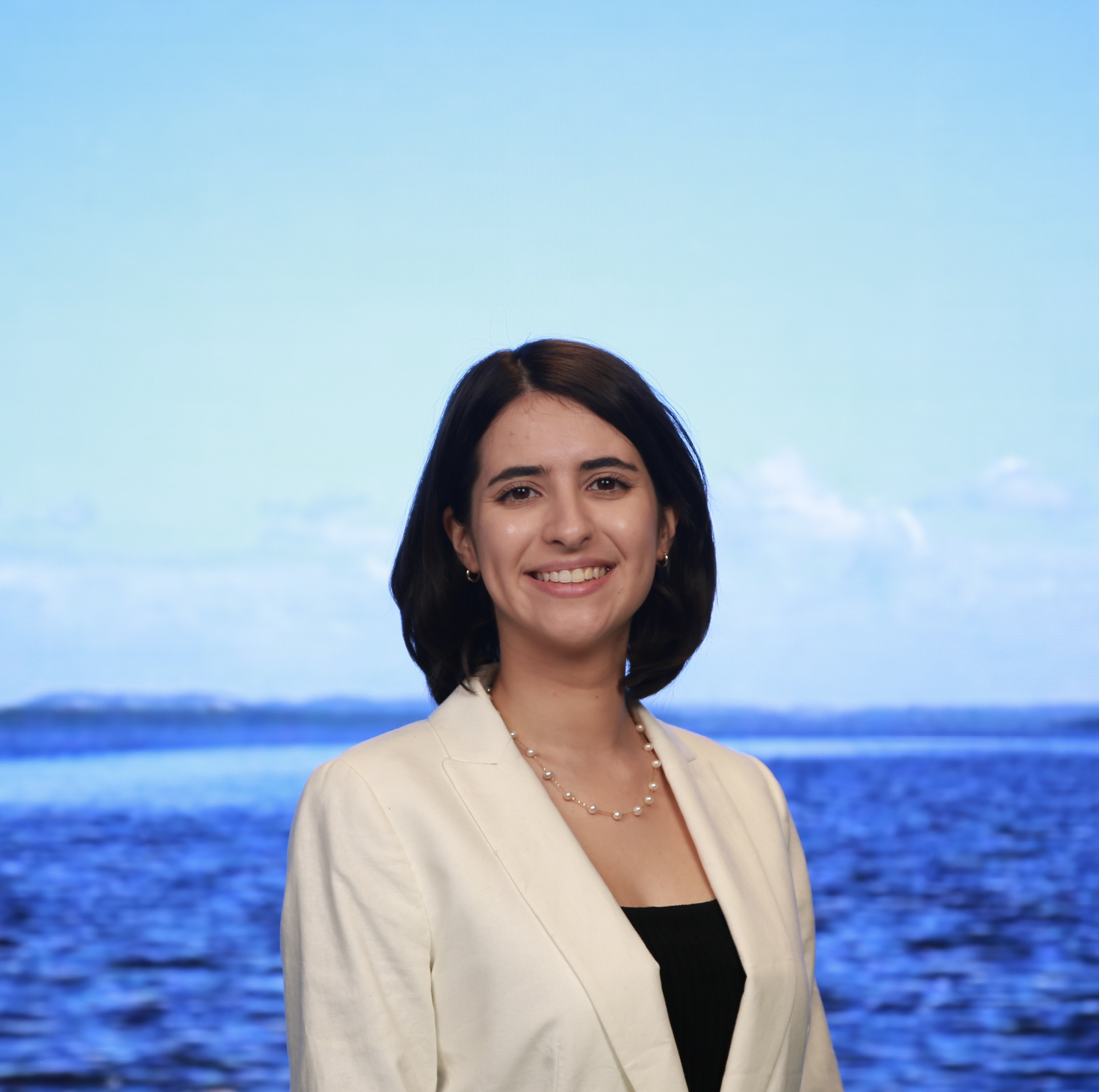
Games User Researcher & Award Winning Player Experience Designer — 6 shipped games in 2 years
Let's chat! →Highlighted case studies across research, project management, and UI/UX — flip through the shelf.

 ● Featured
Rethinking tutorial design through player choice · Senior Capstone · 2026
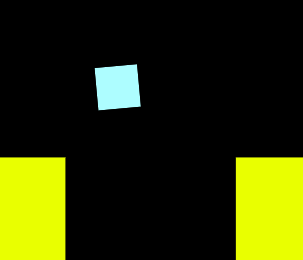
Many platformer games use static, one-size-fits-all tutorials that don’t account for differences in player experience. Learn To Leap asks whether gaming experience level correlates with a player’s preferred tutorial guidance — and, more practically, whether letting players choose their own guidance is a better design pattern than guessing for them.
I built a custom Unity 2D platformer as the research instrument, focused on a single double-jump mechanic. Players could switch between three tutorial modes — Minimal, Guided, and Explicit — at any time, and the prototype logged every switch and time in state.
Mixed-methods design, IRB exempt (UF Protocol ET00049273). Eleven participants aged 18–26 completed one session each over five days in March 2026, recruited via Discord and personal networks and distributed across four self-reported gaming-frequency bands.
Each session ran ~20 minutes: a short pre-play survey, a 5–7 minute gameplay session with no instruction beyond “pick the mode that feels right,” and a 5–7 minute semi-structured interview. Quantitative gameplay data was paired with qualitative interview data analyzed via Braun and Clarke’s six-phase thematic analysis.
Gaming frequency did not reliably predict tutorial preference. But eight themes surfaced across interviews, and two were unusually strong: all 11 participants affirmed that being able to select their own guidance level was a positive experience.
Stated preference diverged from behavioral usage — several participants who said they preferred Explicit actually spent the majority of their session in Minimal.
The prototype was designed to be the artifact. Jump was intentionally mapped to “B” rather than space bar to neutralize prior muscle memory — a choice that surfaced in interviews as a design decision in its own right. Placeholder art was used throughout so visual polish wouldn’t introduce unintended differences between tutorial states.
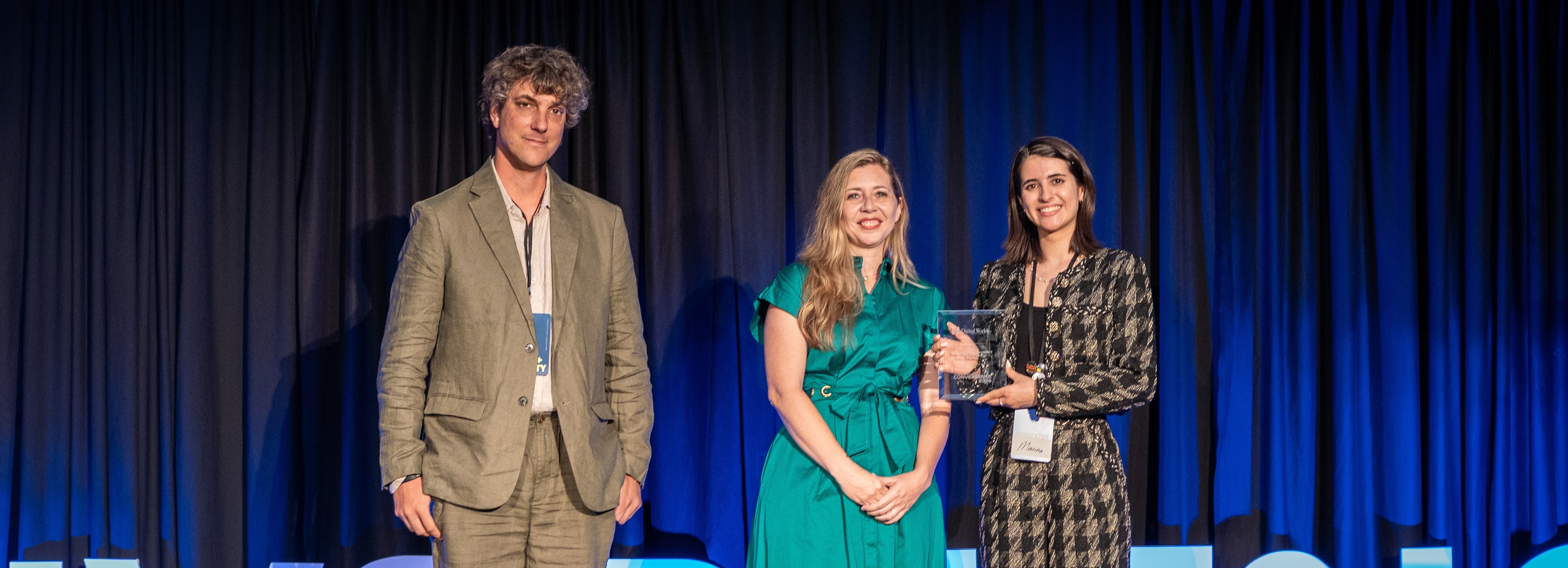
The project won “Outstanding Achievement in Experience Design” at Convergence 2026. The thesis is published in the UF Digital Collections, alongside a full process gallery on Behance where you are invited to play it yourself!
The broader takeaway: adaptive tutorial systems built only on performance data — or only on stated preference — miss part of the picture. The most reliable signal across 11 participants wasn’t which mode they picked; it was that being allowed to pick at all mattered to every one of them.

I'm a designer who grew up between the Midwest, Puerto Rico, and Florida. The first half of my life was spent in the middle of nowhere with three siblings, which taught me pretty much everything I know about multiplayer experiences, indoors and out.
These days, I research and design social games, the kind that bring people closer instead of burning them out, with a soft spot for systems that make players a little kinder to each other. When I'm not prototyping, you can usually find me fishing or losing ranked Overwatch with friends.
Research first, opinions second. Every design decision I make is a hypothesis I'd rather test than defend, so I lean on playtesting, user interviews, and a healthy obsession with how real people actually move through an experience.
I care about the little things. The pause before a player understands what to do. The weight of a sound effect. Whether a menu feels like a doorway or a wall. The little things are what make an experience feel intentional, and they're usually where empathy lives.
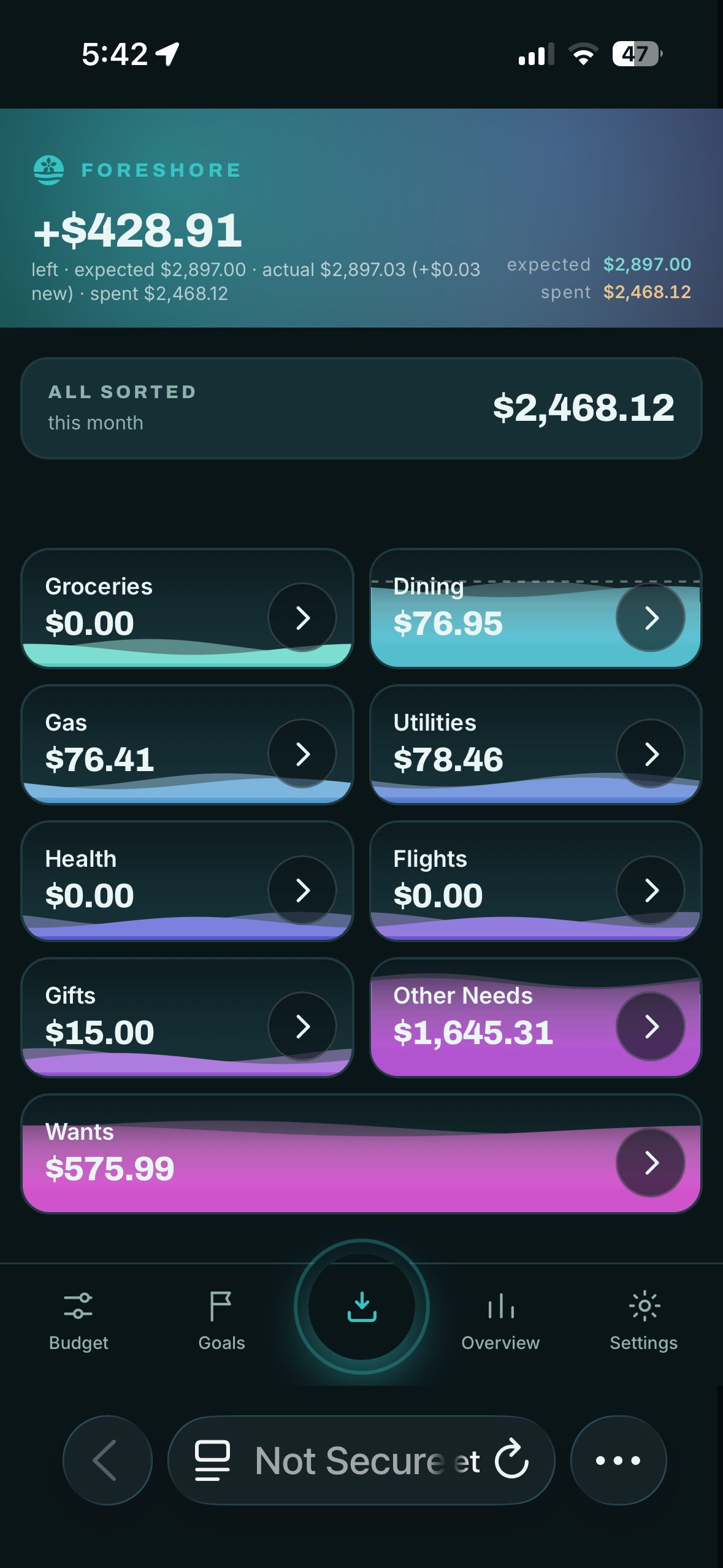
Just relocated from Gainesville to St. Augustine, Florida. These days I’m growing my web design business and building new products with Claude. I shipped Foreshore, a self-hosted budgeting app for friends and family, and stood up my own home server to run it. Then I turned an old PC into an ad blocker — it now blocks thousands of trackers across every device I point at it. Up next: a personalized habit tracker, built off James Clear’s Atomic Habits.
Settled into St. Augustine and building up the business. I recently picked up biking, and riding on the beach is easily the best part of it.
Tell me a little about what you're working on. I'll get back to you as soon as possible.
Accessibility