 Marina DiPonio
Ambient · Underwater
Marina DiPonio
 🏆 Best in Show · University Showcase
A fast-paced party trivia game · 3-Month Capstone · Producer & UX Lead
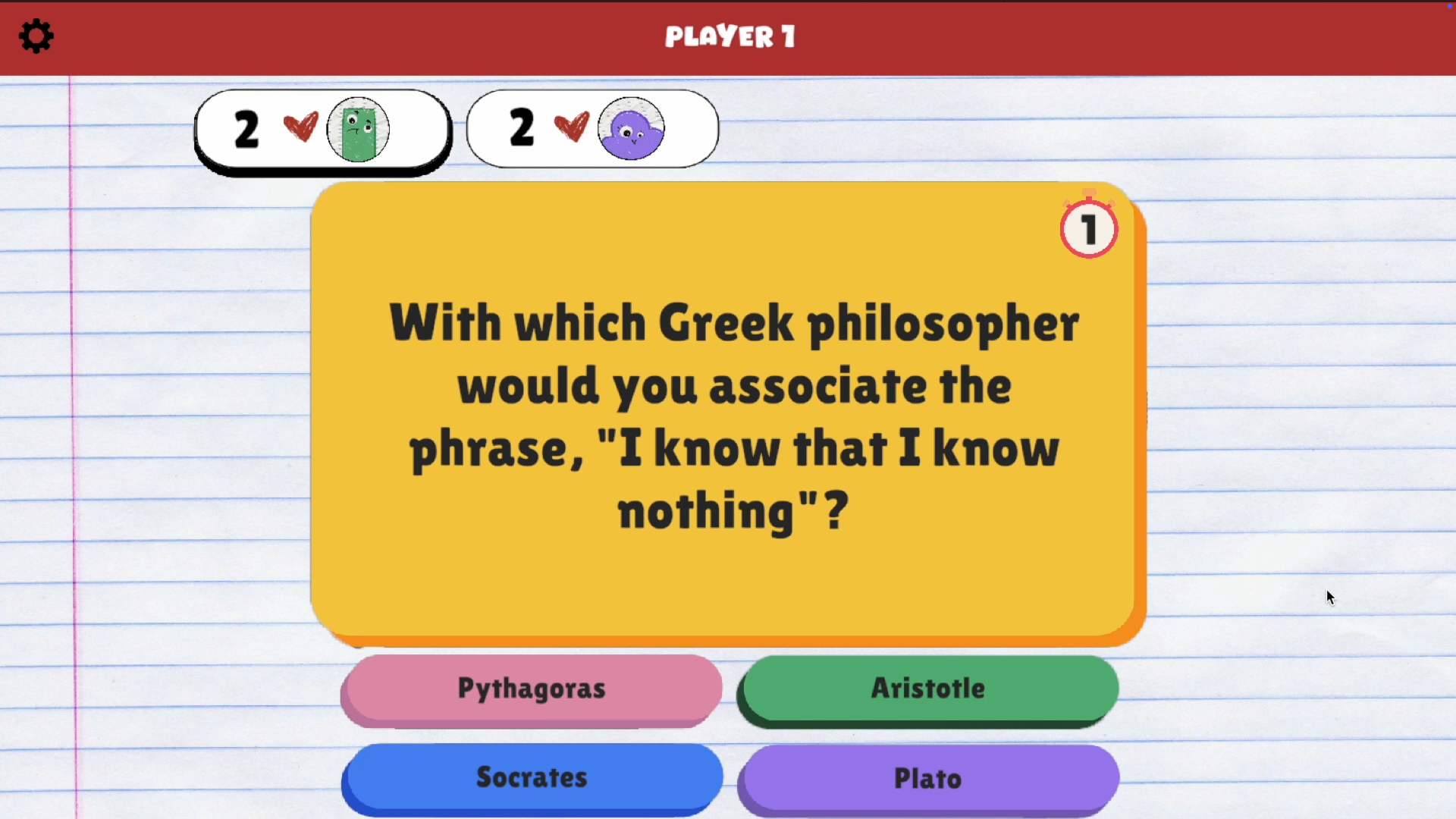
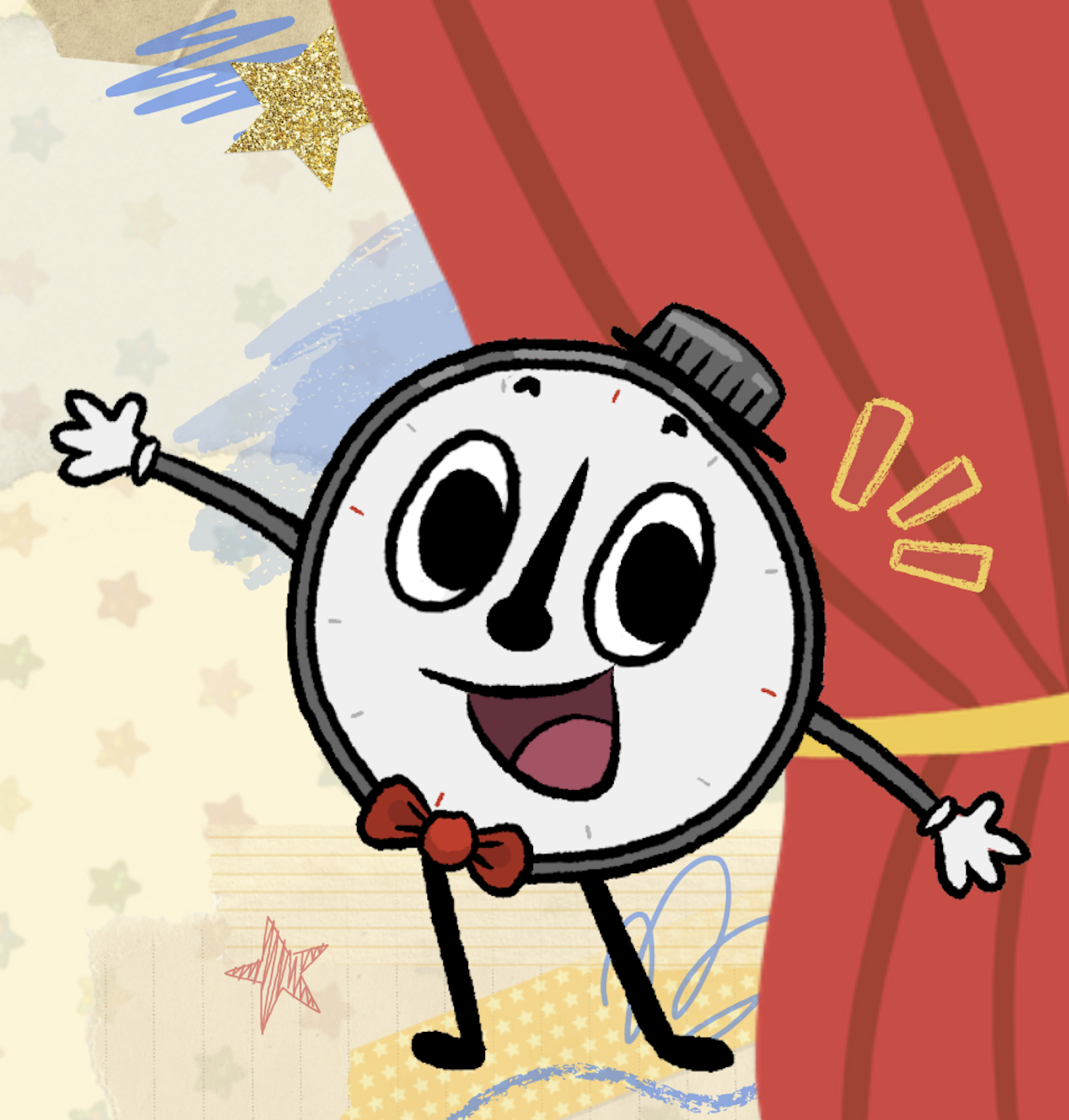
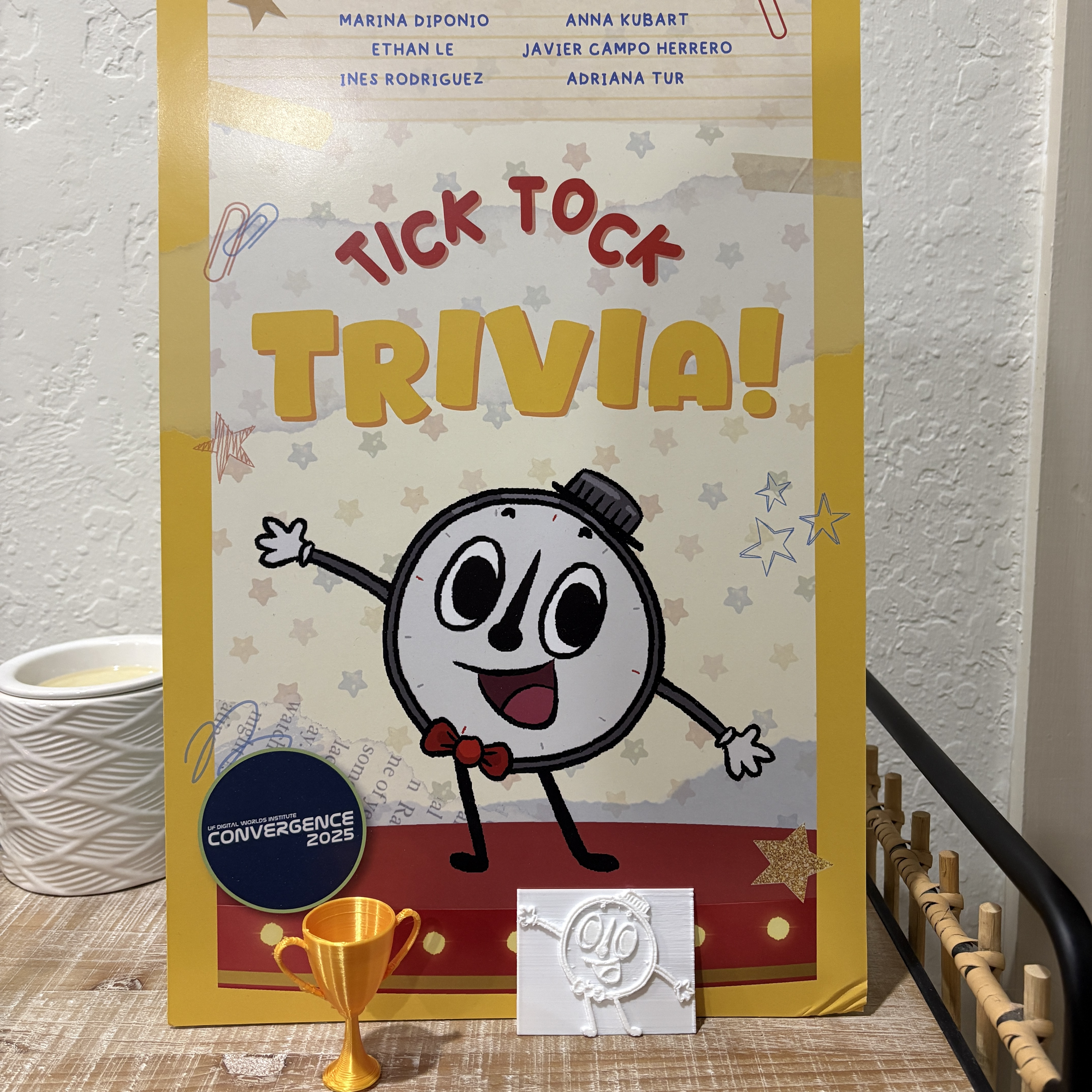
Tick Tock Trivia is a fast-paced party game where every second counts. Players gather around, pick their avatars, and face off in a whirlwind of multiple-choice questions while our stopwatch host, Tick, keeps the questions coming. But don't get too comfy—Springo the Jack-in-the-Box timer is always winding up, ready to burst out and crank the pressure to eleven.
The game was designed to be accessible, engaging, and endlessly replayable through our ChatGPT integration that generates custom trivia on any topic. This project earned Best in Show at our university showcase, recognizing its polish, innovation, and player experience design.
The final product features turn-based gameplay perfect for couch co-op or online hangouts. Players type in any topic and our ChatGPT integration whips up fresh questions in seconds—from Studio Ghibli films to 90s cartoons to obscure fishing lore.
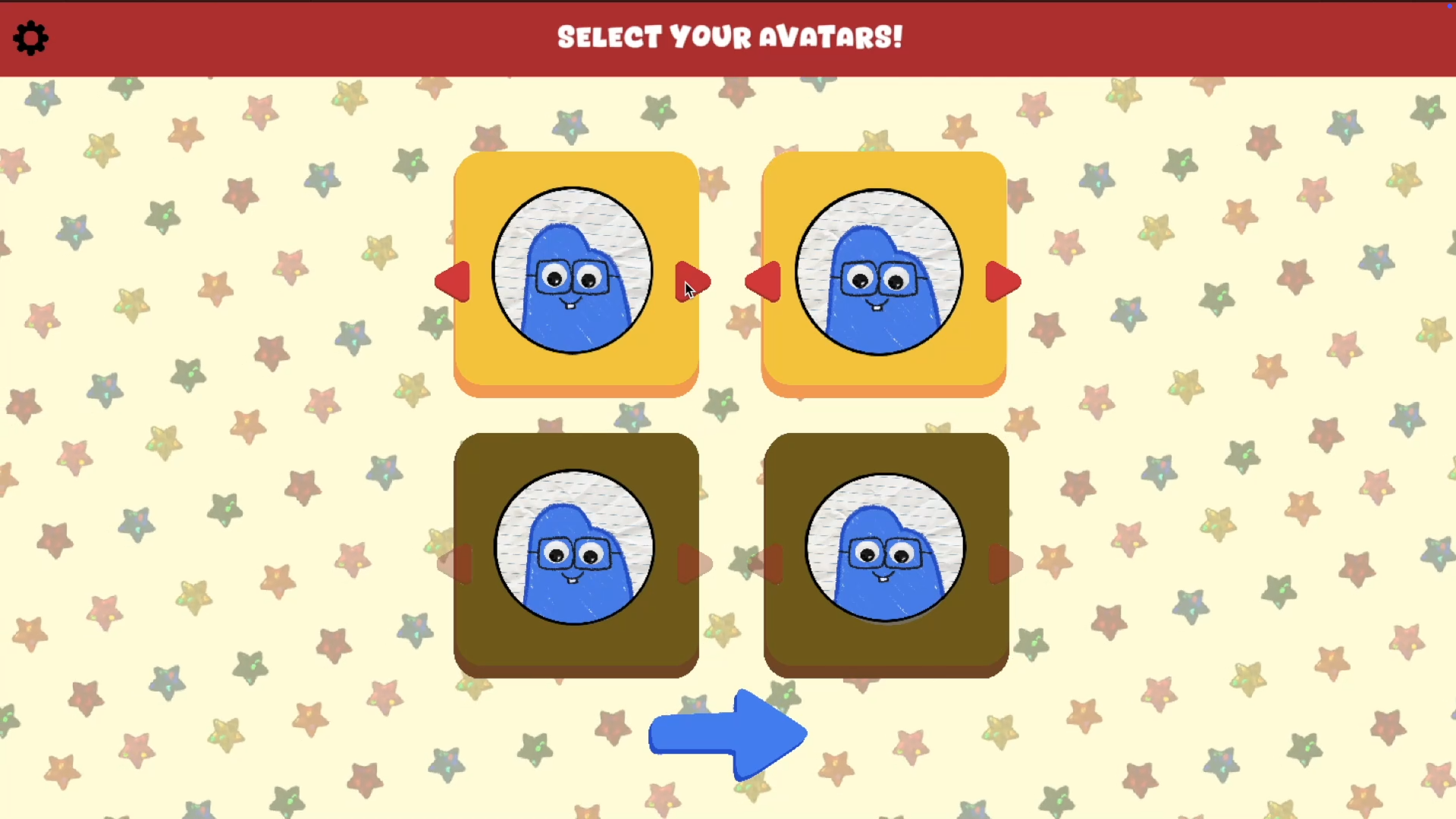
Wrong answers chip away at players' hearts while Springo's suspenseful music speeds up the pulse. The scrapbook-style 2D cut-outs pop against a playful stage, complete with sticky note transitions and eye-catching avatars that give the game its unique personality.
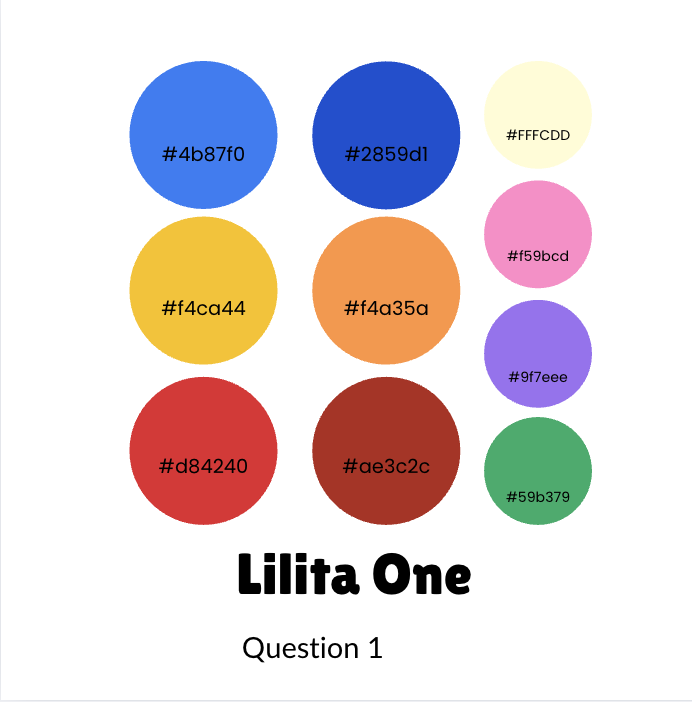
Accessibility was a first-class citizen in our design process. We implemented clear fonts, full mouse support, optional audio cues, and careful color contrast to ensure everyone could enjoy the experience.
Development began with extensive user research into party game mechanics and what makes trivia engaging for groups. We conducted playtesting sessions every two weeks, iterating on the pressure mechanics and question pacing based on player feedback.
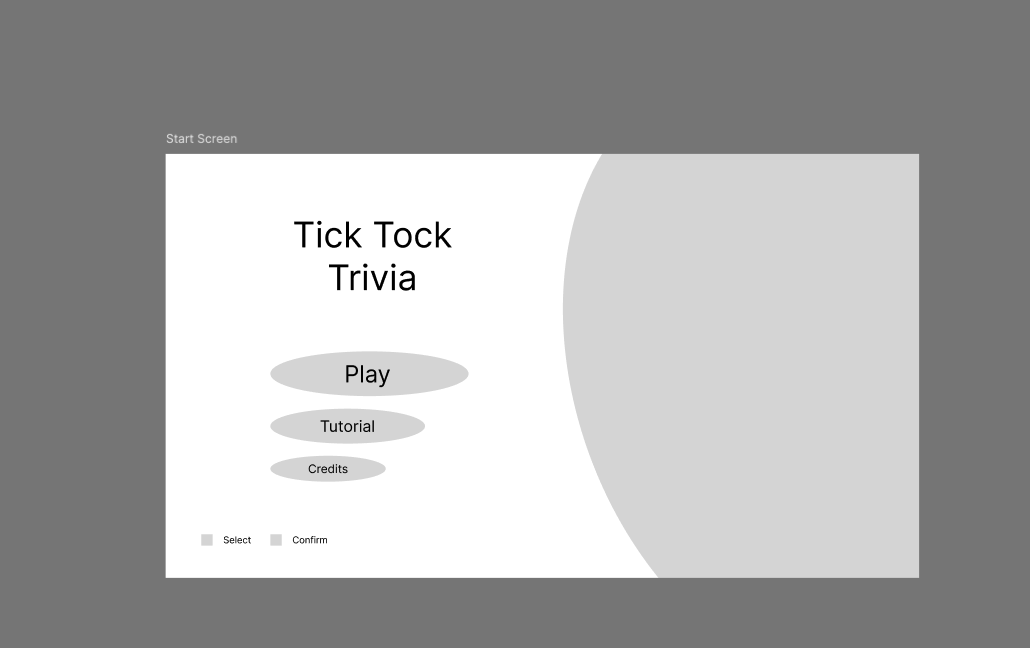
The scrapbook aesthetic emerged from our desire to create something warm and inviting—a stark contrast to sterile quiz show interfaces. We developed the visual language in Canva, creating component libraries for consistent UI elements across all screens.
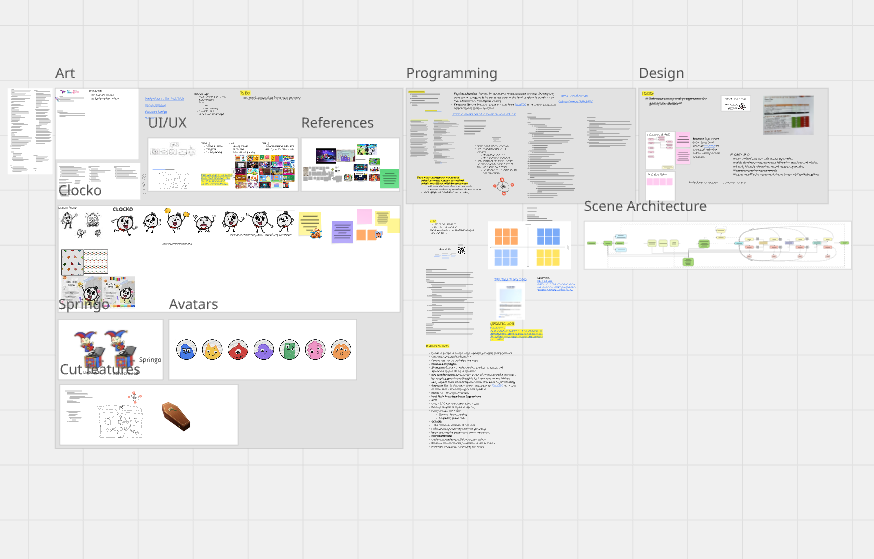
Integrating ChatGPT presented unique technical and design challenges. We needed to design loading states that felt seamless, handle API failures gracefully, and ensure generated questions maintained appropriate difficulty levels. Through iteration, we found the sweet spot that made custom topics feel magical rather than disruptive.
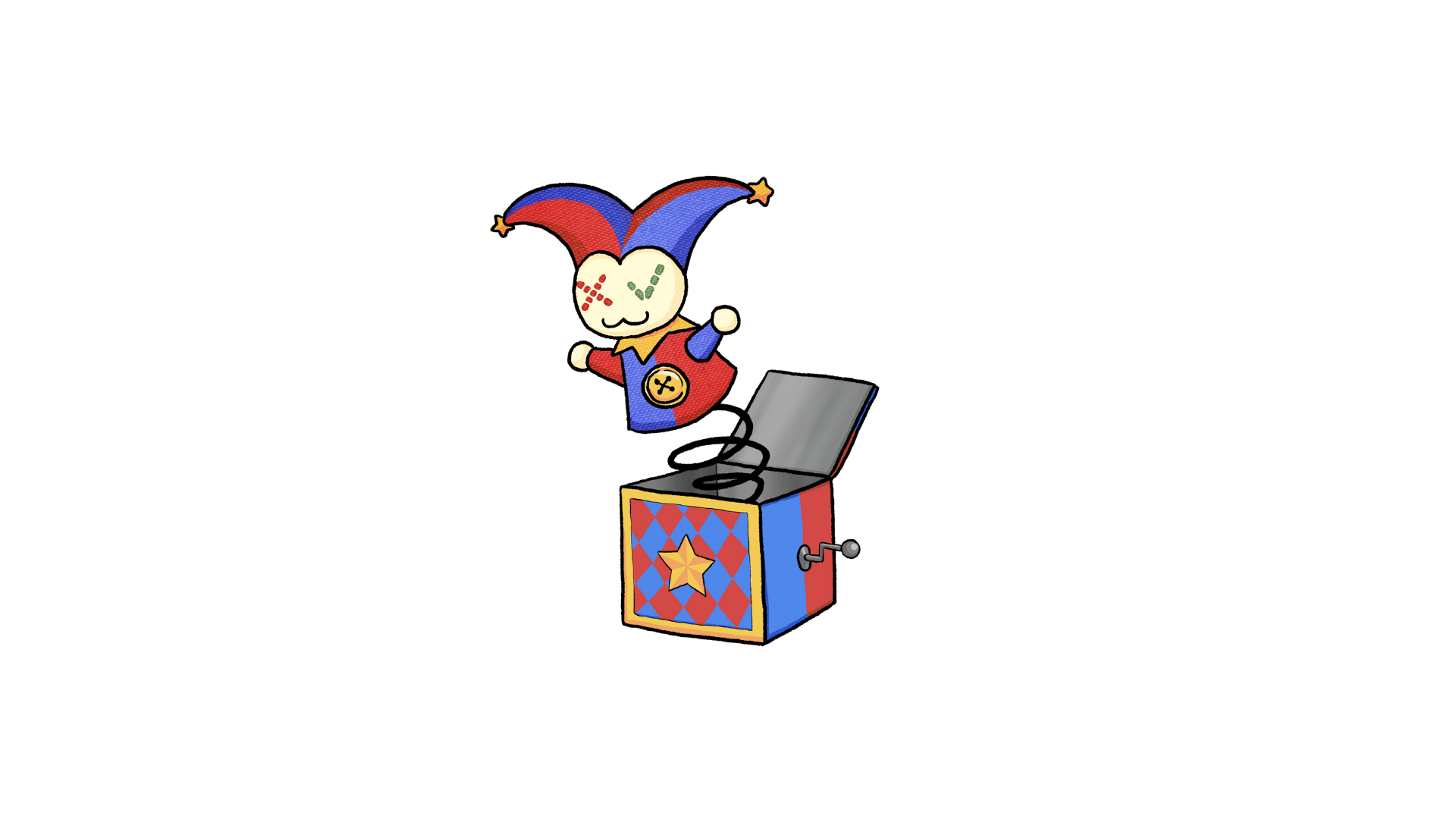
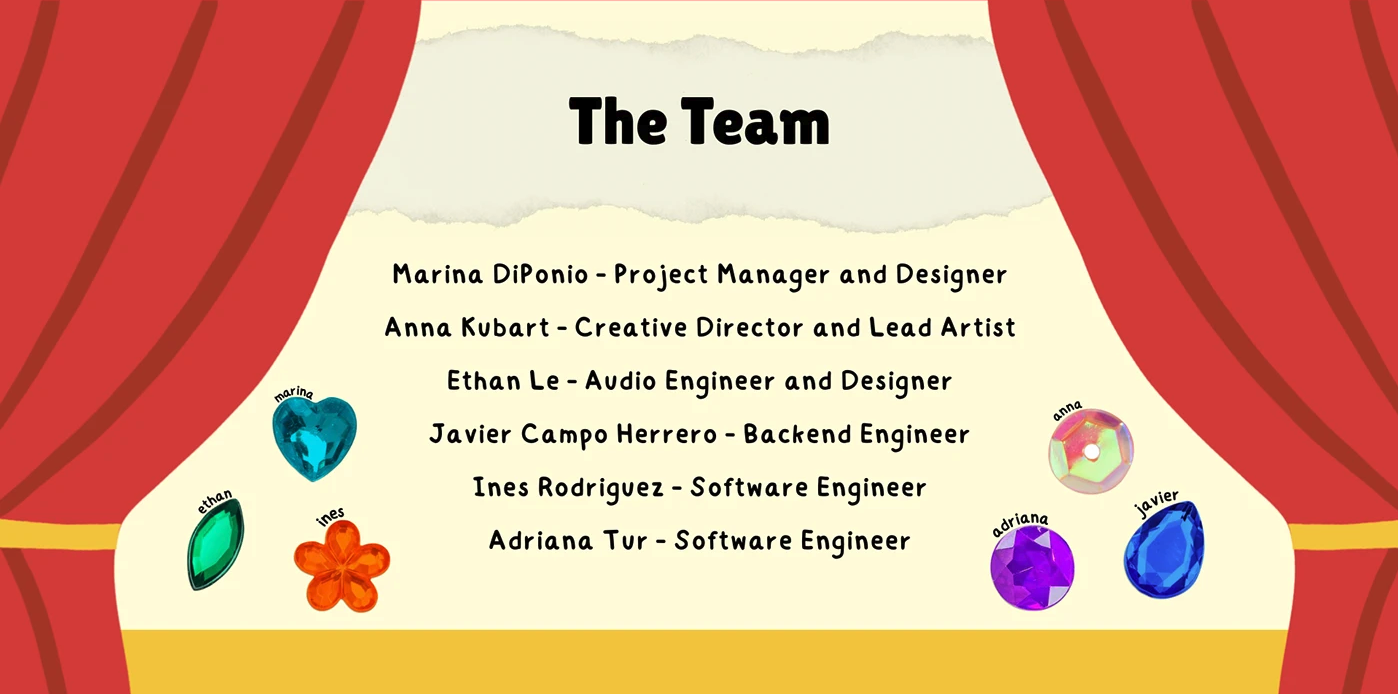
This project taught me invaluable lessons about balancing creative vision with technical constraints. Managing a small team meant wearing multiple hats and learning to prioritize features that would deliver the most player value.
I deepened my understanding of accessibility in game design—not as an afterthought, but as a core design principle that makes experiences better for everyone. The positive feedback from players with different abilities validated this approach.
Perhaps most importantly, I learned that player experience design is about creating moments of joy and connection. Watching groups of friends laugh and compete over custom trivia topics showed me the real impact of thoughtful, human-centered design.
Accessibility