 Marina DiPonio
Ambient · Underwater
Marina DiPonio
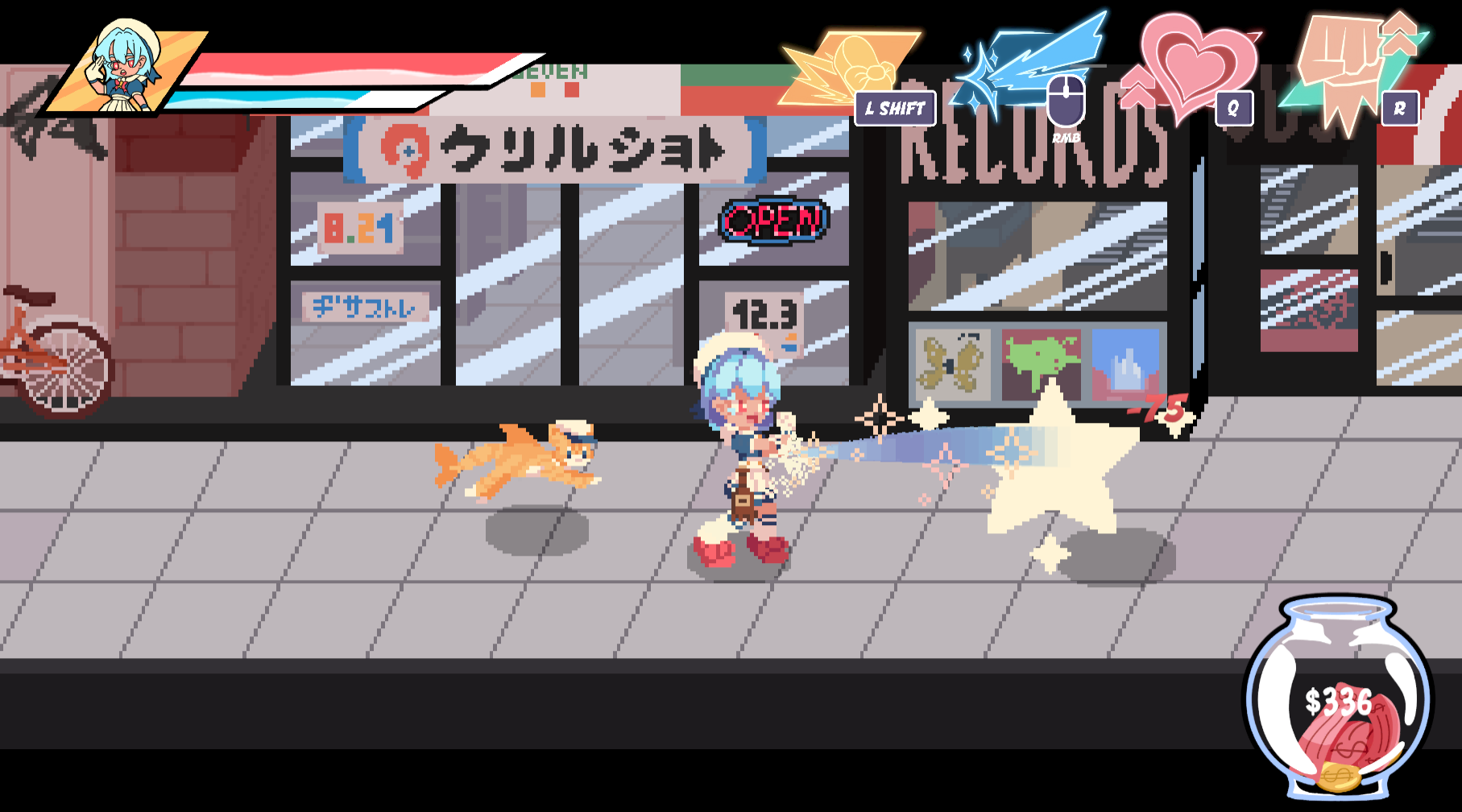 ★ 25-Person Team · Shipped & Covered
Magical girl life simulation · 25-Person Team · Producer
Yuumi-Chan: Rent is Due! is a magical girl life simulation game where players balance the demands of saving the world with the very real pressure of making rent. As Producer, I led a 25-person team through four months of development, managing three departments and wearing whatever hat the team needed on any given day.
The game launched on Itch.io in December 2025 and is now available on Steam. Within the first 10 days of the Itch.io release—with zero advertising—we achieved organic traction that validated our concept and execution.
The game caught the attention of content creators organically, including a YouTuber who played and uploaded the full game in Japanese—reaching an audience we never expected to connect with.
This was the largest team most of us had ever worked on, and that inexperience created real friction. Department leads were learning how to lead at the same time they were learning the project itself. Getting alignment across 25 people—many of whom had different visions for what the game should be—tested every communication skill I had.
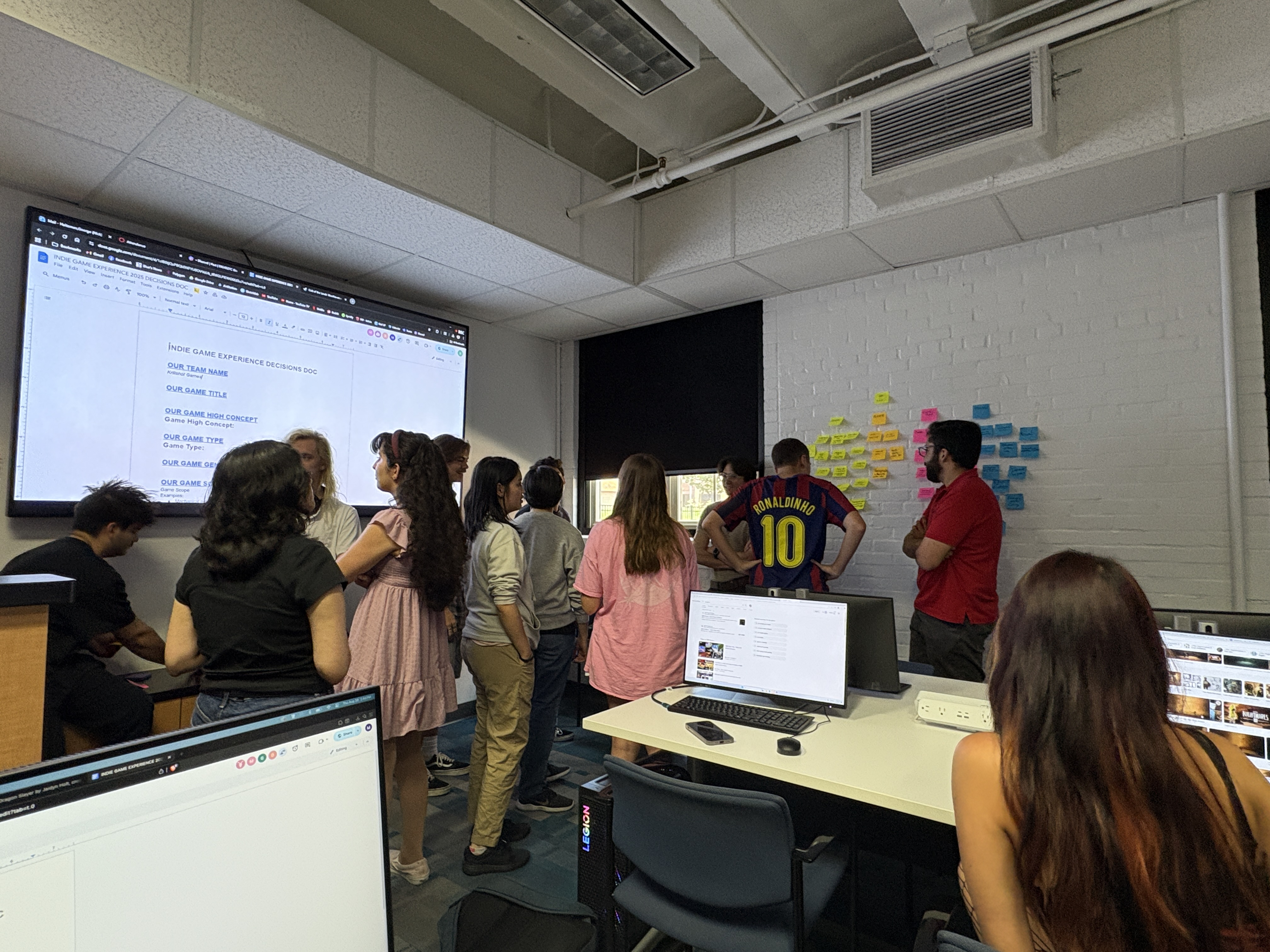
The core challenge wasn't technical; it was human. How do you get a team of new leaders to execute on decisions they didn't all agree with? How do you maintain momentum when the scope keeps shifting? I worked closely with our executive producer, Nick Heitzman, to navigate these dynamics, but much of it came down to showing up consistently, running structured standups, and being present in every department meeting.
My workflow centered on weekly standups with all 8 leads, where we reviewed progress, flagged blockers, and aligned on priorities for the coming week. I participated in every department meeting—art, design, programming—not to micromanage, but to understand where I could help and to catch disconnects before they became crises.
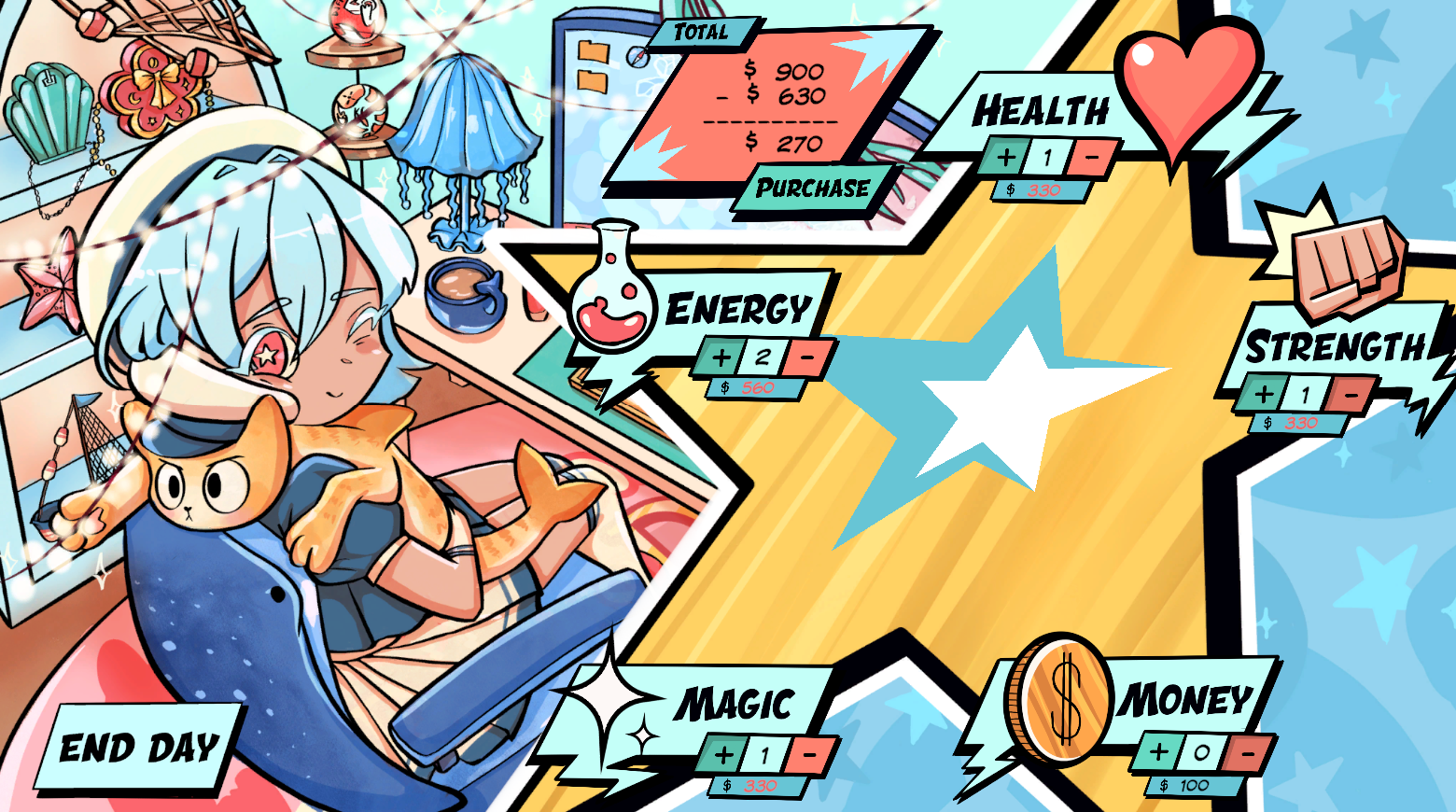
Playtesting drove our final polish decisions. We collected feedback from 11 testers and prioritized fixes based on player impact. One example: testers reported confusion about the $7,000 rent due at the end of the week. The information existed in the pause menu, but players weren't seeing it in time. We added explicit dialogue early in the game to set expectations—a small change that significantly improved the experience.
I tried to be everything this team needed—flexible, supportive, decisive when required. And we shipped. The game exists, people are playing it, YouTubers are covering it, and it's now on Steam. That's a win.
I also learned a lesson that no amount of planning prepares you for: not every problem is a process problem. Some friction comes down to personalities, and you can do everything right—raise concerns early, communicate clearly, stay open—and still not be able to bring everyone into alignment. What I took away was knowing the difference: when to invest more effort in working something out, and when to accept that a dynamic is outside my control and focus my energy on protecting the rest of the team's momentum and morale.
The flip side: I now know what it takes to ship a game with a large team. I know how to run standups that actually move projects forward, how to translate playtest data into action items, and how to keep 25 people pointed in roughly the same direction. Next time, I'll be faster to protect the team from dysfunction—because protecting the team is part of the job.
Accessibility